




Why Are Hospitals So Cold All The Time?
Hospitals can be chilly places. Have you ever wondered why hospitals are so cold, or whether they need to be that cold? There is a reason they are kept at an almost uncomfortably cool level. Keeping hospital temperatures cooler makes them better and safer environments. Below are the main reasons that hospitals are so cold all the time.
Why Do They Keep Hospitals and ICU Rooms So Cold?
To Prevent Bacteria Growth
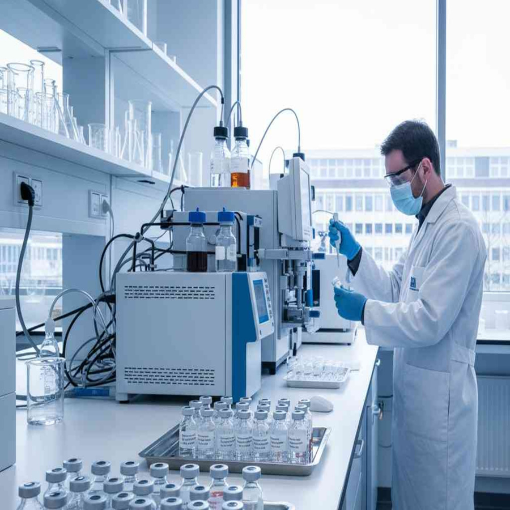
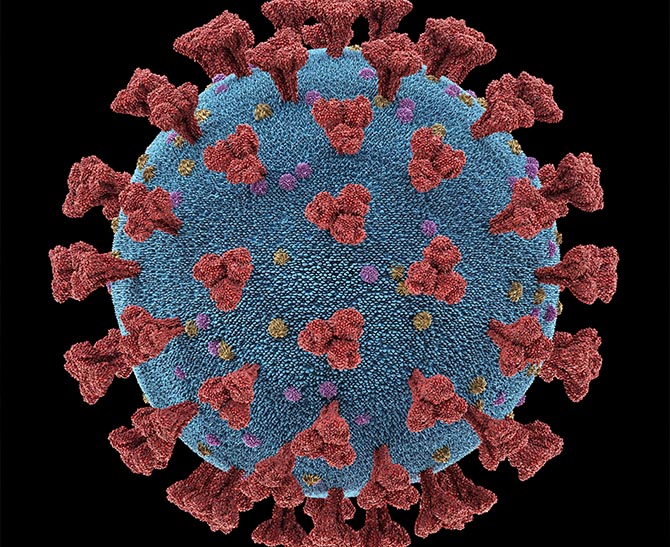
Hospitals fight bacteria growth with cold temperatures. Cooler temperatures help slow bacterial and viral growth, because bacteria and viruses thrive in warm conditions. Operating rooms are usually the coldest areas in a hospital to keep the risk of infection at a minimum. This is the same idea behind food safety practices in the food industry, which rely on freezers and refrigeration to keep food free of bacteria. It is also why a hospital temperature monitoring system is one of the best ways to keep a hospital running at safe temperatures.
Comfort of Hospital Staff
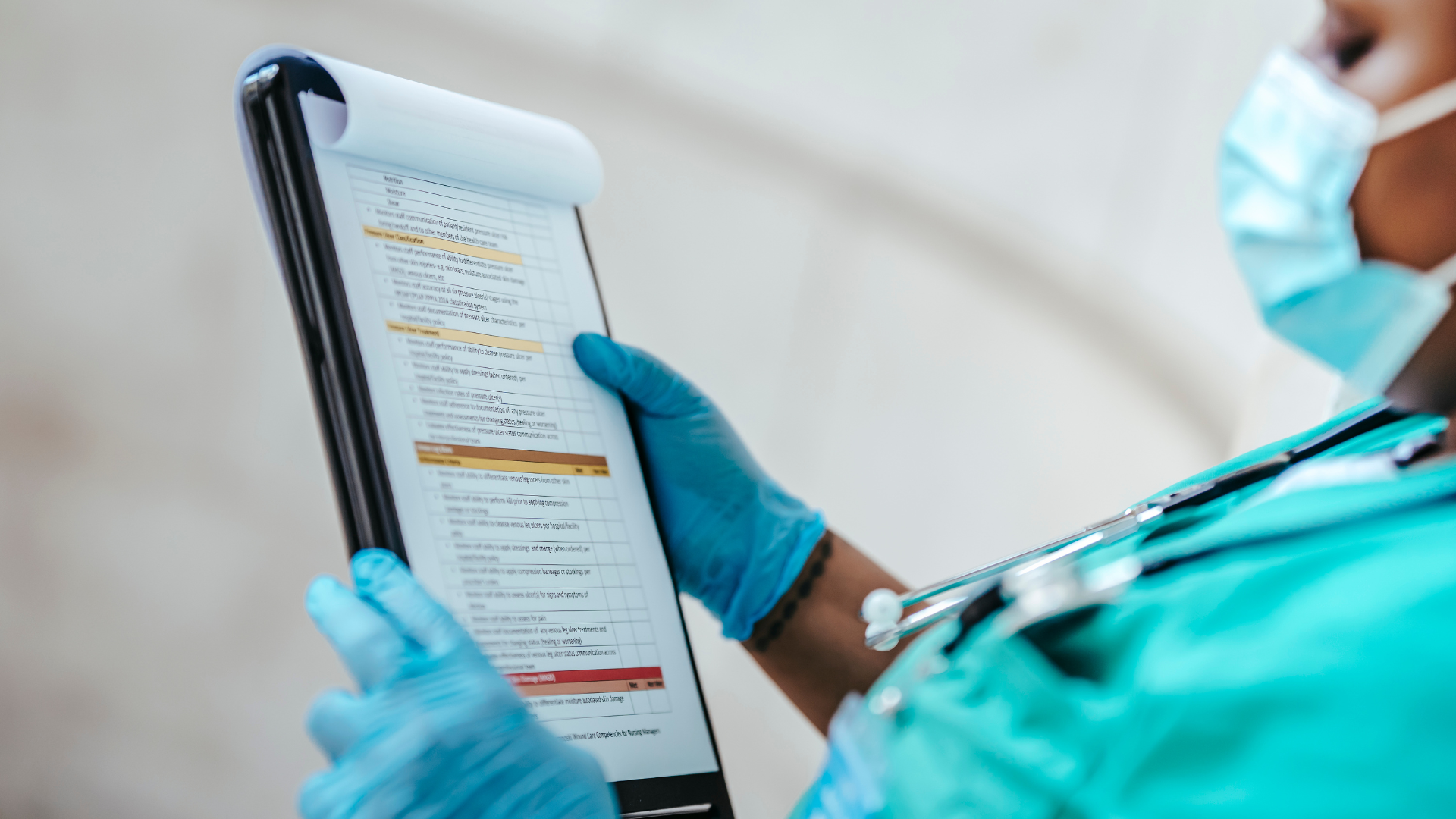
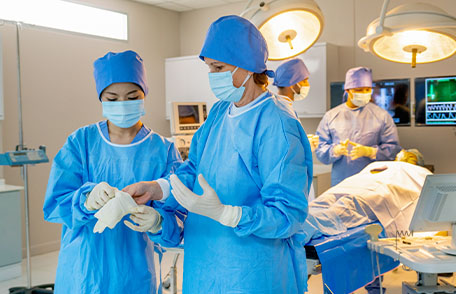
Staff members are constantly moving. Cooler temperatures keep them comfortable through long shifts. Maintaining a clean environment is critical for patient care, which is one reason temperatures stay cold, but it also benefits staff. Cooler temperatures mean less chance that hospital staff are sweating, and that in itself can increase safety. Air conditioning also helps offset the heat that bright lights produce during surgery.
Controlling Condensation
Air conditioning naturally takes humidity out of the air. This prevents condensation from building up on surfaces within the hospital. Condensation, which is brought on by humidity and warm temperatures, picks up bacteria and viruses. As it moves from surface to surface, it cross-contaminates them. To combat the spread of disease and infection, cold temperatures and low humidity prevent condensation on sterilized surfaces, open wounds, and operating equipment.
Cold Is Better Than Hot
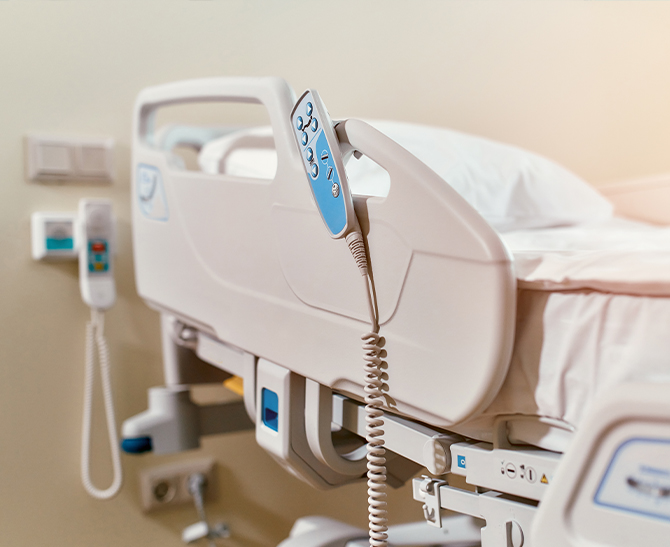
It is easier to warm patients up with more layers, extra blankets, and even socks than it is to cool them down. A warm blanket is also comforting, which can help patients feel calmer while in the hospital.
Preserves Medication
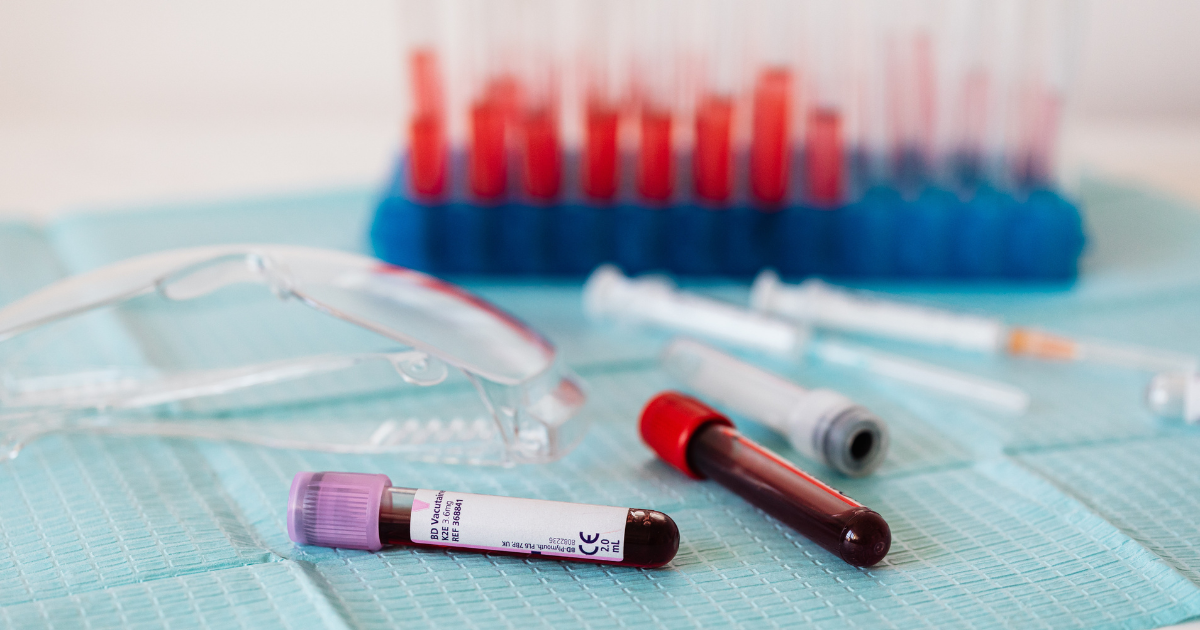
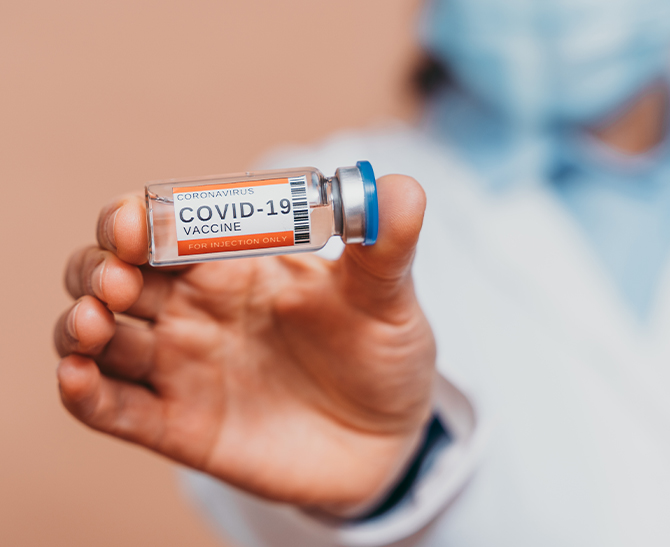
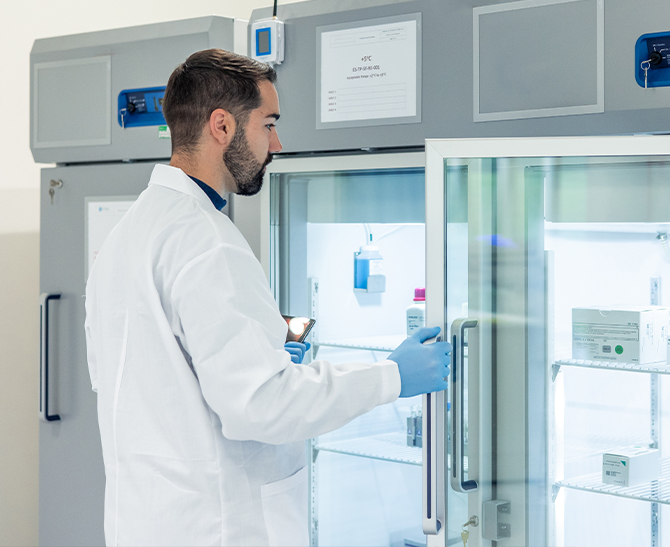
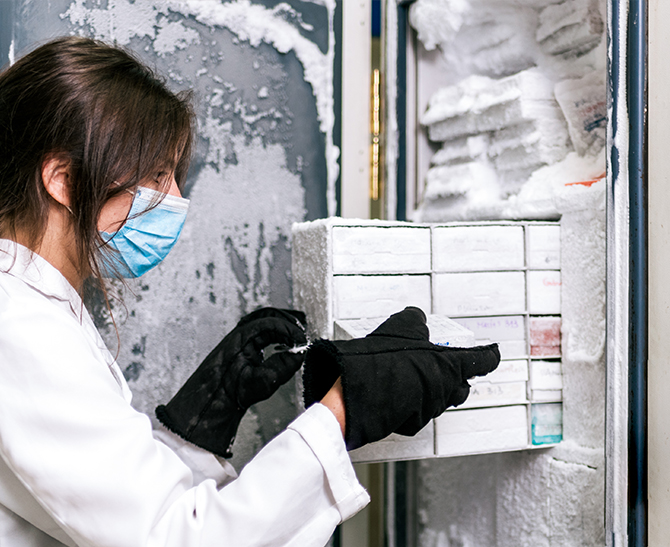
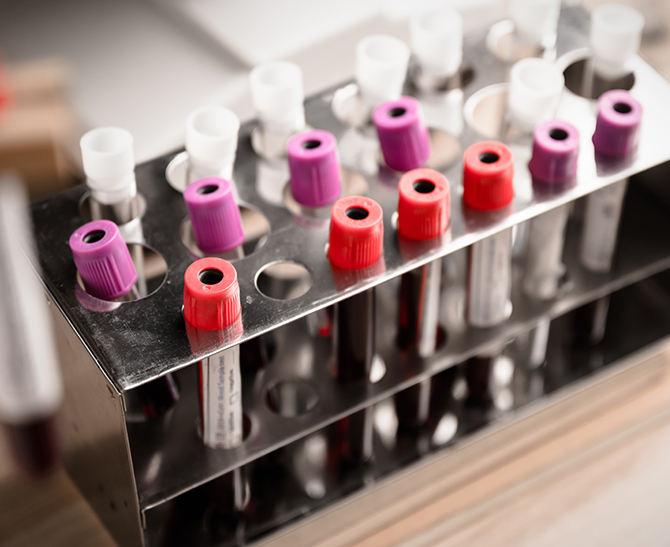
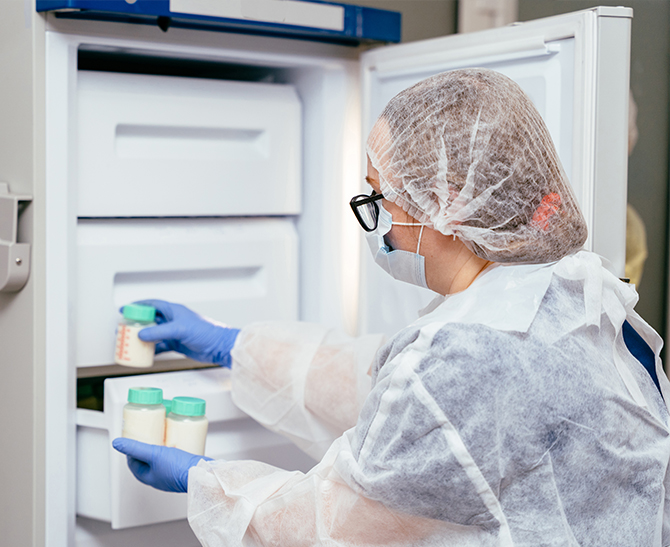
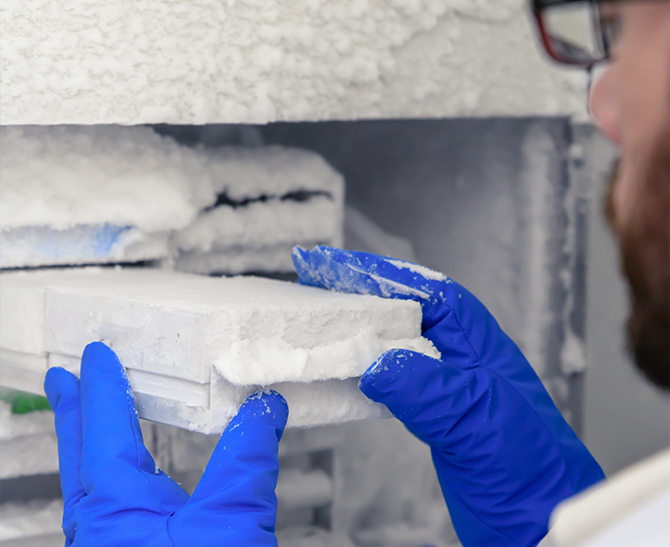
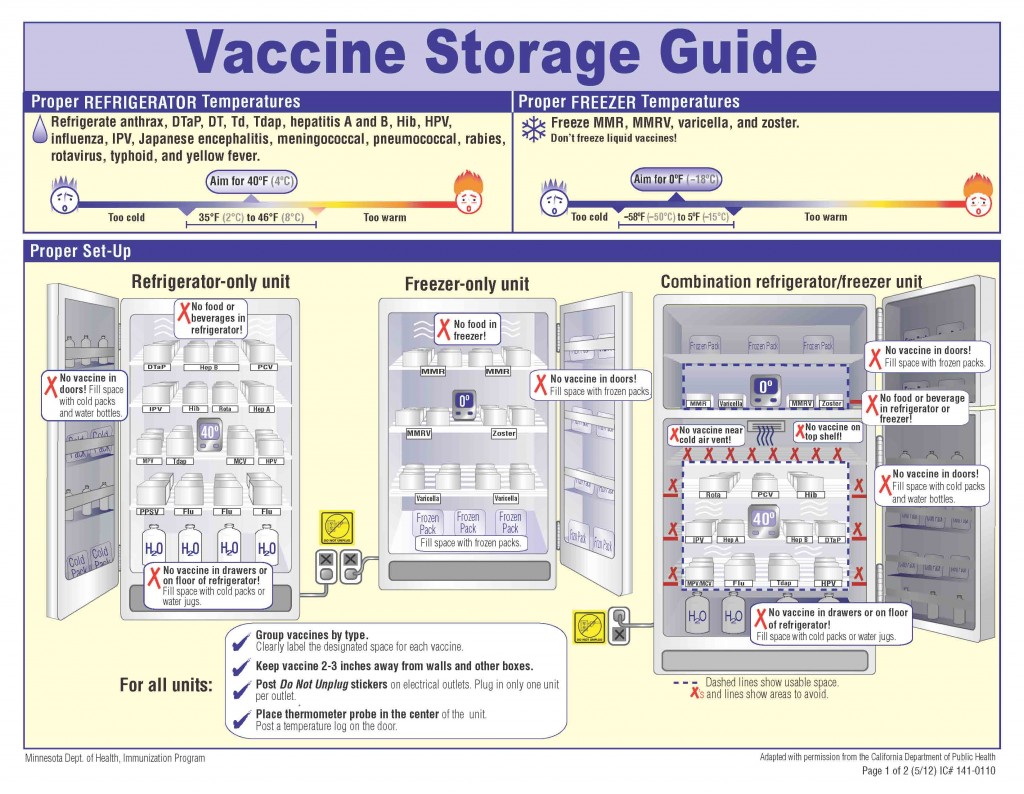
Hospital temperature control is critical for preserving medications. Cold temperatures slow the degradation process and prolong the shelf life of many medications, as well as blood and tissues for transplants and transfusions. Refrigeration units and climate-controlled storage areas are used to store temperature-sensitive drugs such as vaccines, insulin, and certain antibiotics. Pharmaceutical temperature monitoring within hospitals helps ensure that medications remain safe and effective.
What Temperature Are Hospitals Kept At?
Hospital room temperatures are usually kept between 68°F and 75°F to keep patients comfortable, minimize health risks, and support recovery. Operating rooms are often kept cooler to limit bacterial growth and prevent infection. Different areas of the hospital have different temperature needs depending on what happens in each room, and many facilities monitor humidity alongside temperature to keep sensitive areas sterile. Because these ranges are so important, a wireless temperature monitoring system that tracks each area 24/7 and alerts staff to any drift is a practical way to stay within safe limits.
Hospital Room Temperature FAQ
What temperature do they keep in hospitals?
Hospital room temperatures are usually kept between 68°F and 75°F to make sure patients are comfortable, health risks are minimized, and recovery is supported. Operating rooms are often kept at cooler temperatures to limit bacterial growth and prevent infection. When the temperature is maintained at a comfortable level, it also helps medical staff stay focused and alert.
Is every room in the hospital the same temperature?
No. Areas of the hospital have different temperature needs depending on the function of each room. Operating rooms have to be sterile to safely perform surgeries and are kept cooler to meet safety requirements, so microorganisms do not infect patients. Neonatal units are kept warmer to meet the needs of newborns. Patient rooms usually fall between 68°F and 75°F. Blood and medications need exact temperature monitoring to make sure they stay stable and safe.
Why does it feel colder in certain areas of the hospital, like the ER or ICU?
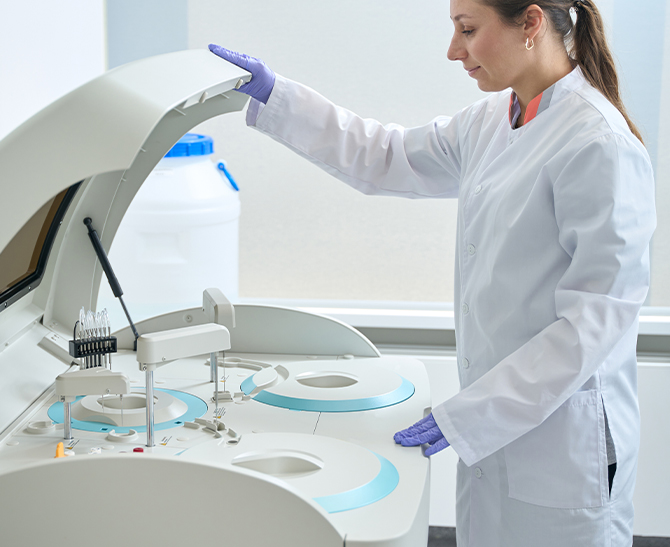
Some hospital areas like the ICU and emergency room are kept consistently cooler because of their infection control processes. Cooler temperatures help limit infectious bacteria and viruses. Another reason is to keep medical staff from overheating, since they often wear personal protective equipment. Some medical equipment in these departments also requires a cooler environment and reduced condensation, because it generates heat that can breed pathogens.
What can I do to prevent getting cold in a hospital?
To stay comfortable when visiting or staying in the hospital, consider wearing layers such as sweaters, jackets, and thick socks. Requesting additional hospital blankets, which are sometimes heated, can help raise your temperature. Drinking hot beverages can warm you up as well. You can also ask a hospital staff member whether the temperature in your room can be adjusted.
Does a cold hospital environment have any health benefits?
A cold hospital environment provides certain benefits for patients, visitors, and medical workers. Lower temperatures help maintain hygiene standards by limiting infectious airborne particles and creating a clean, controlled, sterile setting. Some medical testing equipment needs to be kept cool to provide accurate results and function properly. Cool temperatures keep hospital workers from overheating when they wear protective gear during long shifts, and cold rooms can reduce symptoms for some patients. Blood and medication storage areas regulate temperature and humidity to maintain effectiveness. By supporting cleanliness and preventing bacterial growth, cold hospital settings create a safer, healthier atmosphere.
Why do some hospitals regulate humidity along with temperature?
Controlling humidity along with temperature helps maintain safety and sterility. When humidity is kept between 40% and 60%, it inhibits the growth of harmful bacteria and viruses and reduces the risk of infection in operating rooms, ICUs, and other sensitive areas. Proper humidity also prevents electrostatic discharge that can cause medical equipment to malfunction, and it protects patients and staff from dryness that can irritate the respiratory system, eyes, and skin.